


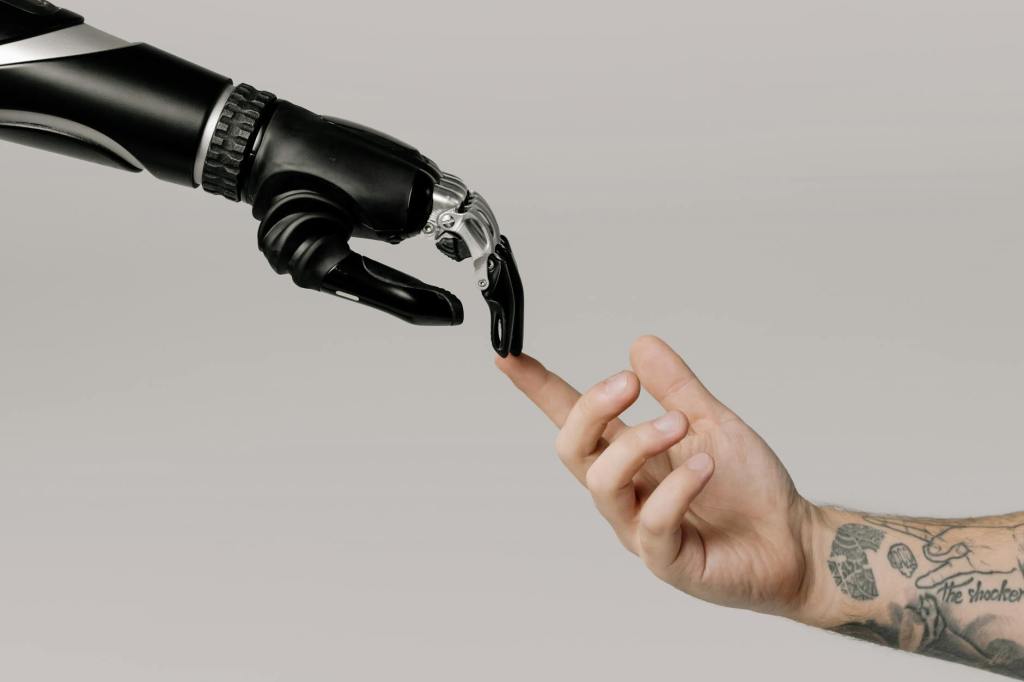
Conversations are changing. Where once the instinct was to call a friend, meet a therapist, or write in a journal, an increasing number of people now find themselves typing into chat windows or voice-noting thoughts into AI-driven apps. It isn’t simply convenience. It points to a deeper cultural moment. As our lives grow more digital, the spaces we choose for vulnerability are shifting too.
AI chatbots and mental health journaling apps, such as Mirror Connect, aren’t replacing human connection, but they are revealing something important: many people crave spaces that are immediate, non-judgmental, and entirely their own. The question is no longer why anyone would talk to AI instead of people. But rather, what does it say about the way we experience intimacy, trust, and self-expression today?
The New Spaces of Vulnerability
When people talk about technology and mental health, the focus often lands on efficiency. It’s factors like faster responses, 24/7 availability, and personalised tools that contribute to people’s satisfaction. But what’s often overlooked is the emotional texture of these interactions. AI chatbots and mental health journaling apps aren’t just convenient; they’re quietly changing the way people practice vulnerability.
Unlike traditional conversations, where body language, tone, or history can shape how much we disclose, a digital space strips that away. What remains is the raw thought, typed out in real time. For many, this makes AI chatbots for mental health feel less like a replacement for people and more like a rehearsal space, a place to test honesty, to voice feelings without the weight of consequence.
In this sense, these safe mental health spaces online serve a dual purpose. They’re outlets for emotional release, but they’re also mirrors, reflecting back words that might otherwise remain unspoken. Vulnerability doesn’t disappear into the void here; it’s stored, tracked, sometimes even analysed, ultimately creating new forms of self-awareness.
The rise of digital journaling apps captures this perfectly. Where once a paper journal lived under a mattress, now people carry their private world in their pocket, encrypted, searchable, and always within reach. Vulnerability has gone digital, and, in doing so, it’s evolving into something both intimate and strangely structured.
But the very act of outsourcing our inner lives to machines comes with its own questions. If these platforms shape how we express ourselves, could they also begin to shape how we think and feel? The answer isn’t simple, and it’s where conversations about AI dependence and even emerging concerns like AI psychosis start to surface.
Beyond Convenience: The Psychology of Turning to AI
It’s tempting to think that people turn to AI chatbots and journaling apps just because they’re available anytime, but the psychology is more layered. What makes these platforms compelling is not just access but the subtle ways they change how we process and share our inner world.
One factor is the perception of neutrality. Research in psychology shows that humans naturally tailor their disclosures depending on who is listening; a phenomenon tied to fear of judgment and social bias. AI, in contrast, offers what feels like a blank canvas. With no history, expectations, or personal stakes, it gives users a sense of clarity that human conversations sometimes complicate.
The very act of writing also plays a role. Studies on expressive writing, pioneered by psychologist James Pennebaker, have shown that journaling can reduce stress, improve mood, and even strengthen cognitive processing. By typing into an AI interface or a digital journaling platform, users create a psychological buffer: a “third space” where thoughts are externalised without yet being exposed to another person. This small distance often lowers emotional intensity, making reflection feel safer and more structured.
In this sense, AI isn’t just a tool of convenience. It actively shapes the conditions under which people feel comfortable reflecting, disclosing, and understanding themselves, turning a quick technological fix into a quiet psychological shift.
Anonymity and Control
Anonymity has always shaped the way people share their inner world. From unsigned diary entries to anonymous posts on forums, humans often reveal their most unfiltered truths when they know their identity is protected. With AI journaling apps or chatbots, that social mirror disappears as there’s no risk of being judged, no cultural stigma to navigate, and no need to measure words for fear of how they’ll land.
Alongside anonymity comes control. Unlike face-to-face conversations, AI interactions give users the ability to pause, edit, or even delete before committing to disclosure. That freedom turns vulnerability into a choice rather than a risk. For many, this combination of privacy and agency becomes the foundation of emotional safety, making AI-driven journaling apps a unique space for unguarded self-expression.
AI Psychosis: The Risks of Overreliance
As much as AI offers support, there is a growing concern around what researchers call “AI psychosis.” The term describes the psychological risks of excessive dependence on conversational AI, moments when users begin to blur the line between algorithm and person. Over time, constant engagement with an AI companion can foster confusion, dependency, or even the illusion of human intent where none exists.
Early studies highlight examples of people attributing empathy, personality, or even agency to chatbots. While this may feel comforting in the short term, it can subtly distort reality, creating expectations of relationships and responses that no human could replicate. In these cases, the very tool meant to support mental wellness risks deepening isolation.
This is why balance matters. AI is a tool, not a therapist. Unlike human connection, it cannot fully recognise context, nuance, or unspoken meaning. When used mindfully, AI journaling apps can serve as a grounding aid, a mirror that reflects thoughts back to the user. But when leaned on as a substitute for all forms of reflection or support, they may foster dependency rather than clarity.
The contrast is important: journaling nurtures self-led insight and anchors the writer in their own reality, while unchecked reliance on AI runs the risk of replacing self-reflection with simulated dialogue. The challenge, and opportunity, lies in learning to use AI as a complement, not a crutch.
What This Shift Reveals About Human Connection
The growing reliance on AI for emotional expression reflects how people are adapting to their needs in a fast-paced world. Most users aren’t replacing friends or therapists, but supplementing them, turning to AI during late nights, in-between sessions, or when sharing feels too heavy for loved ones. This immediacy provides an emotional bridge rather than a substitute.
At the same time, it reveals a generational desire for on-demand emotional outlets, a way to process feelings in real time without fear of judgment or interruption. But this raises a deeper question: Are we outsourcing emotional labour to AI, relying on it for patience and empathy that humans often struggle to sustain? Or are we finding new mirrors for introspection, where technology simply helps us make sense of our emotions before we bring them back into human spaces?
Ultimately, this shift doesn’t diminish connection; it reframes it. AI becomes a buffer, a preparation space, a quiet rehearsal for vulnerability, reminding us that while technology can listen, it’s the human act of being heard that completes the loop of connection.
The Role of Journaling Apps in Mental Health
Unlike conversational AI, which reacts moment to moment, journaling apps are designed for depth and continuity. They guide you with structured prompts, reflective exercises, and mood tracking, building an archive of your emotional world that you can revisit over weeks, months, or even years. Where AI chats often dissolve once the conversation ends, journaling leaves a tangible record of growth.
Another key difference lies in tone. AI chats tend to affirm and support, leaning toward reassurance, sometimes even at the cost of avoiding discomfort. Journaling apps, by contrast, often invite confrontation. Their prompts are not just reflective but also critical, encouraging users to face truths they might otherwise avoid.
Gentle reflection:
- “What emotion dominated your day, and what triggered it?”
- “When did you feel most at peace this week, and what contributed to it?”
- “Write a letter to yourself from five years in the future. What advice would they give you?”
Critical self-examination:
- “What uncomfortable truth about yourself are you avoiding right now?”
- “Play devil’s advocate”
- “Which patterns in your relationships are you responsible for repeating?”
- “If you stripped away all excuses, what would you admit you need to change?”
- “What would you never say out loud to someone else, and why?”
These kinds of prompts demand accountability rather than simply offering comfort. Over time, the answers reveal patterns: the blind spots you’ve ignored, the habits you’ve outgrown, the truths you’re finally ready to face. That’s a very different experience from an AI that might mirror your mood back to you but rarely pushes you into discomfort.
In this way, journaling apps complement human relationships rather than compete with them. They give you clarity and language to take into therapy, friendships, or partnerships, turning private reflection into fuel for healthier, more intentional connection.
 Mirror Connect
Leave a comment